Creativity During Crisis
Thoughts on a Movement with Bobby Rogers.
By Emma Geary
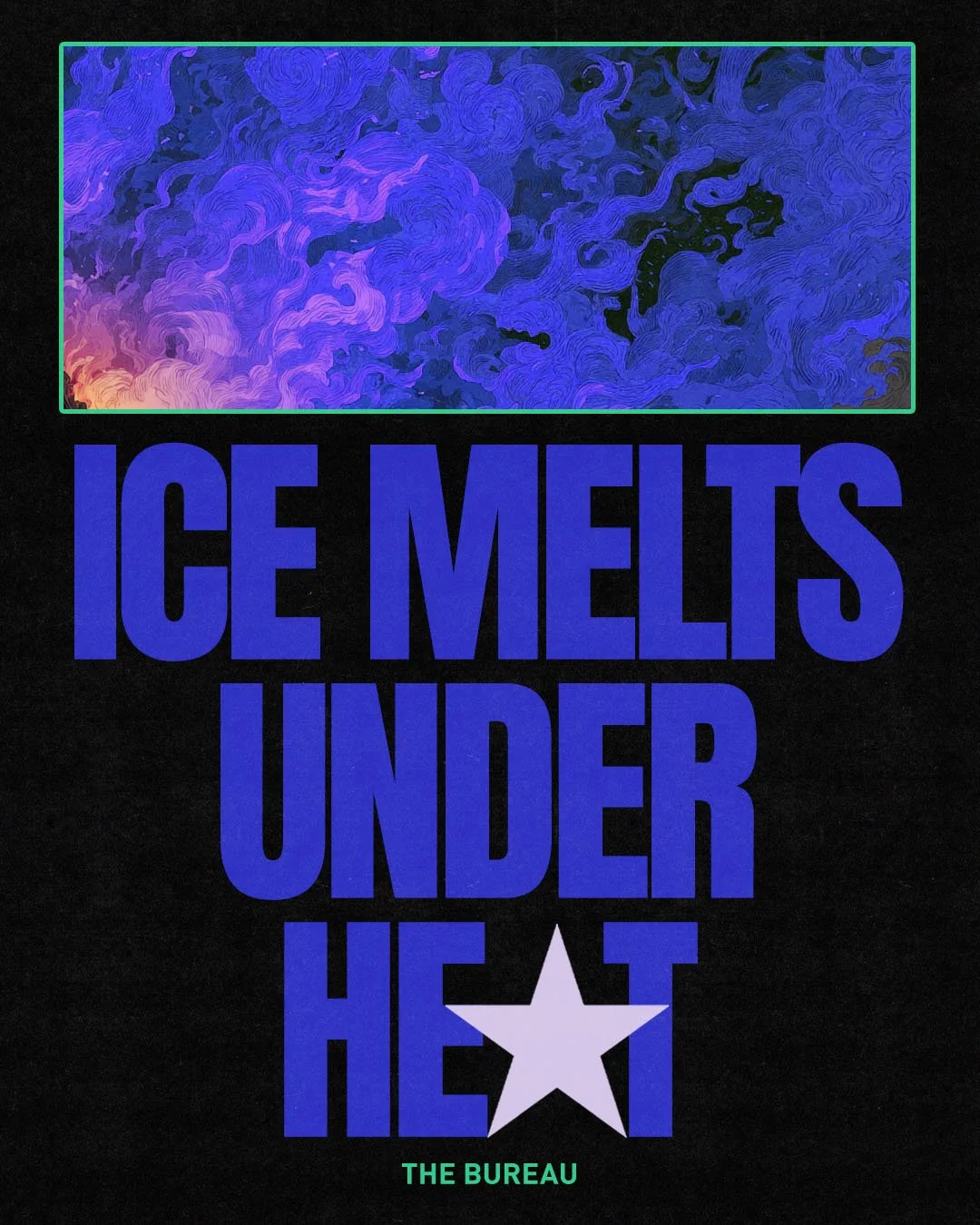
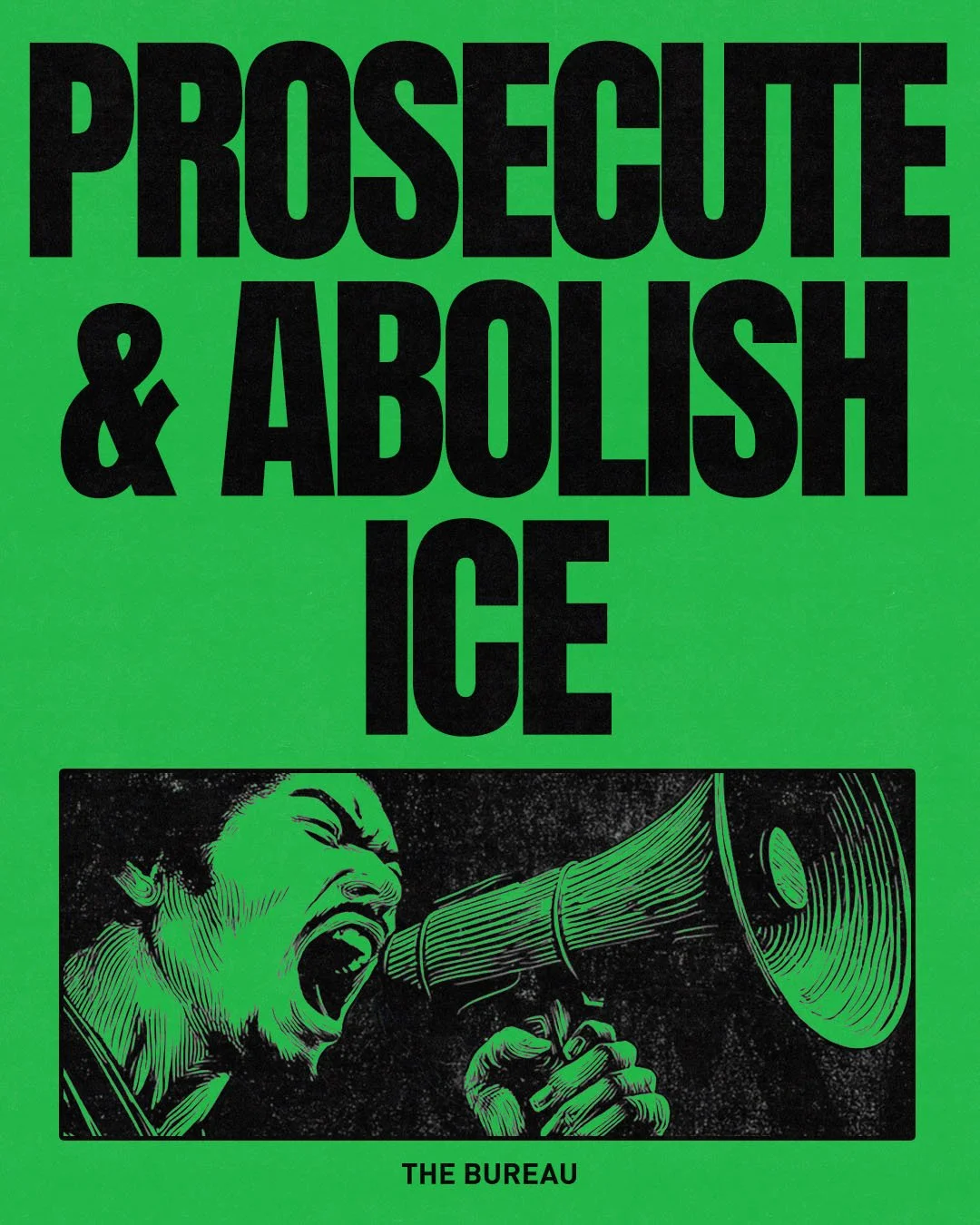
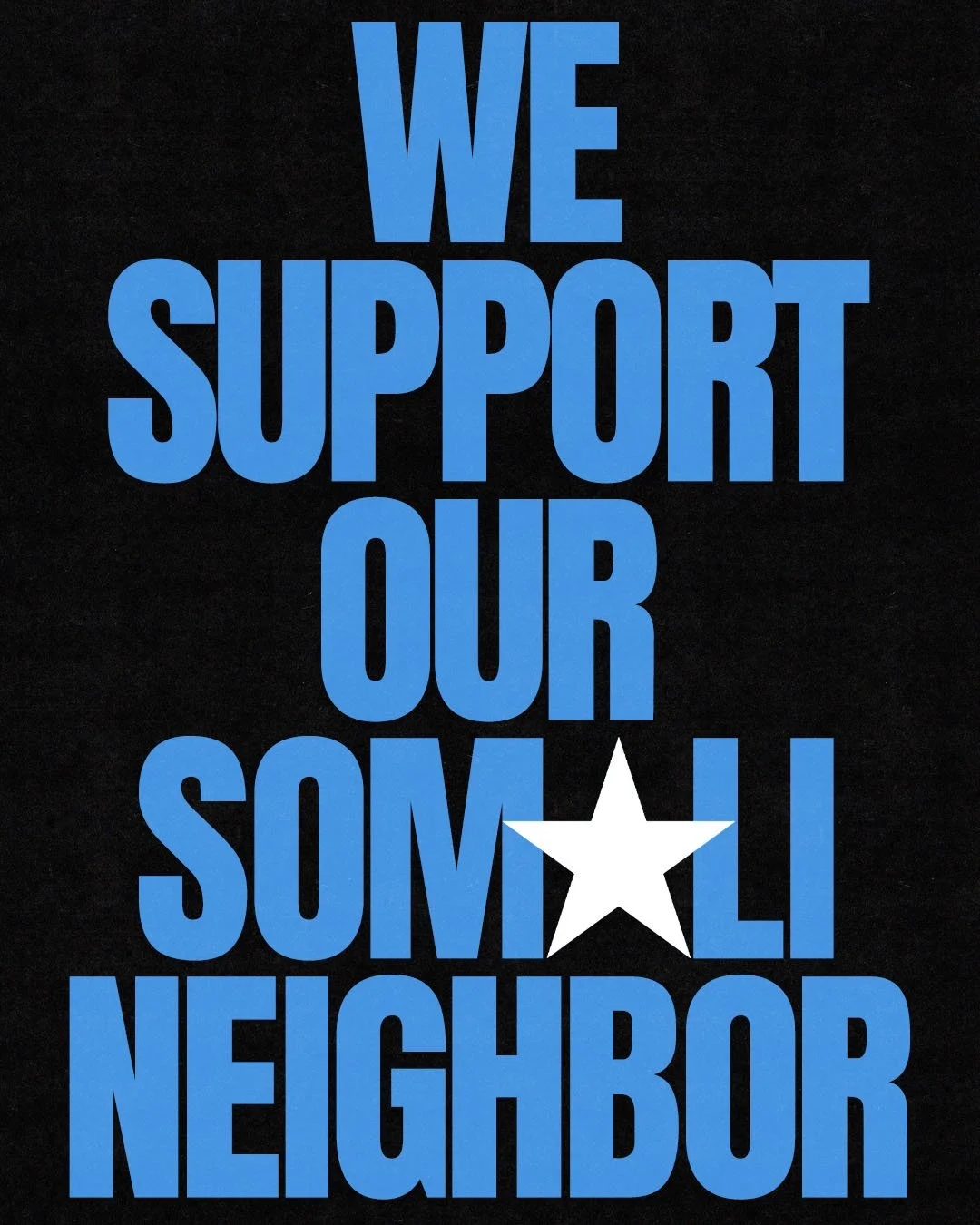
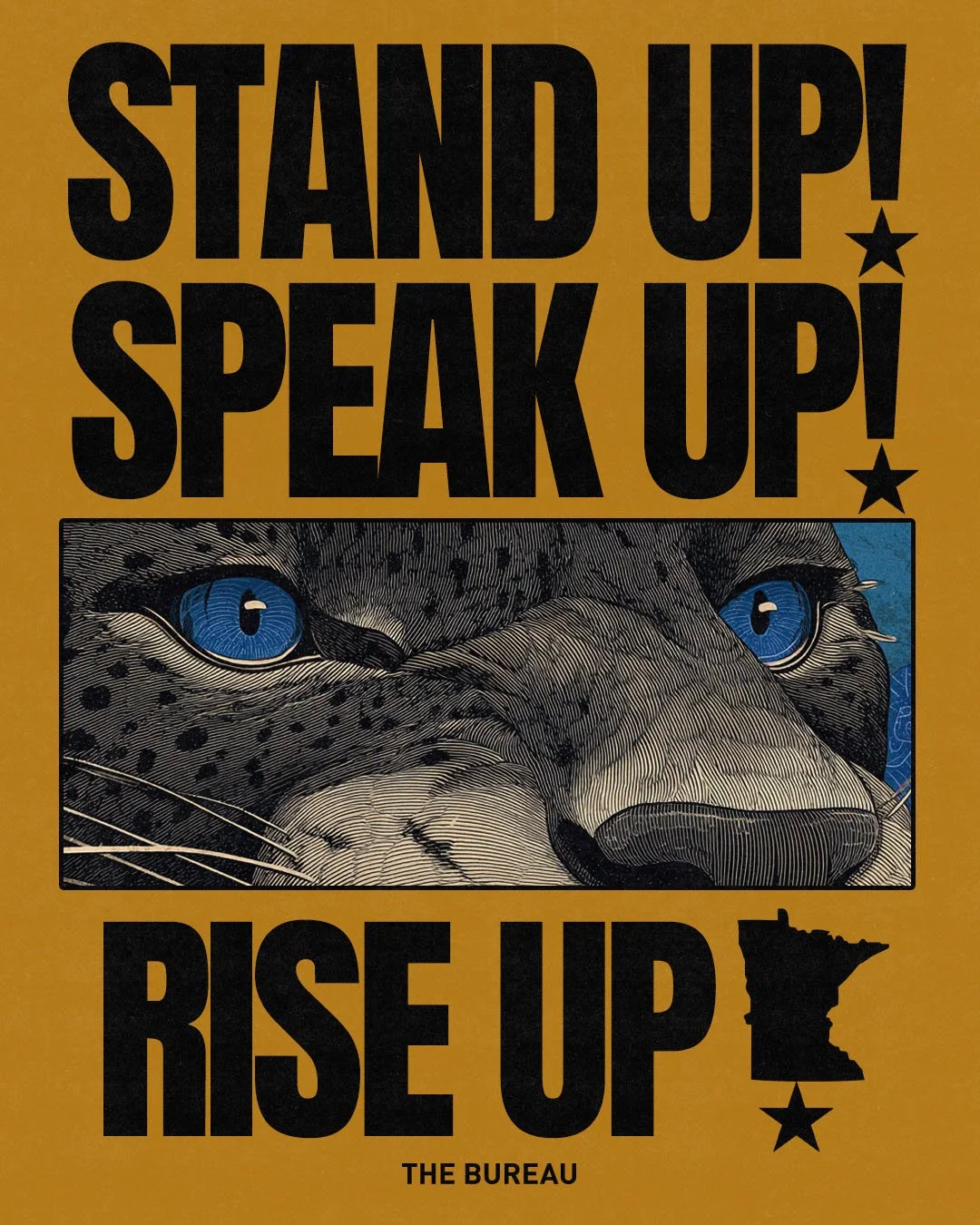
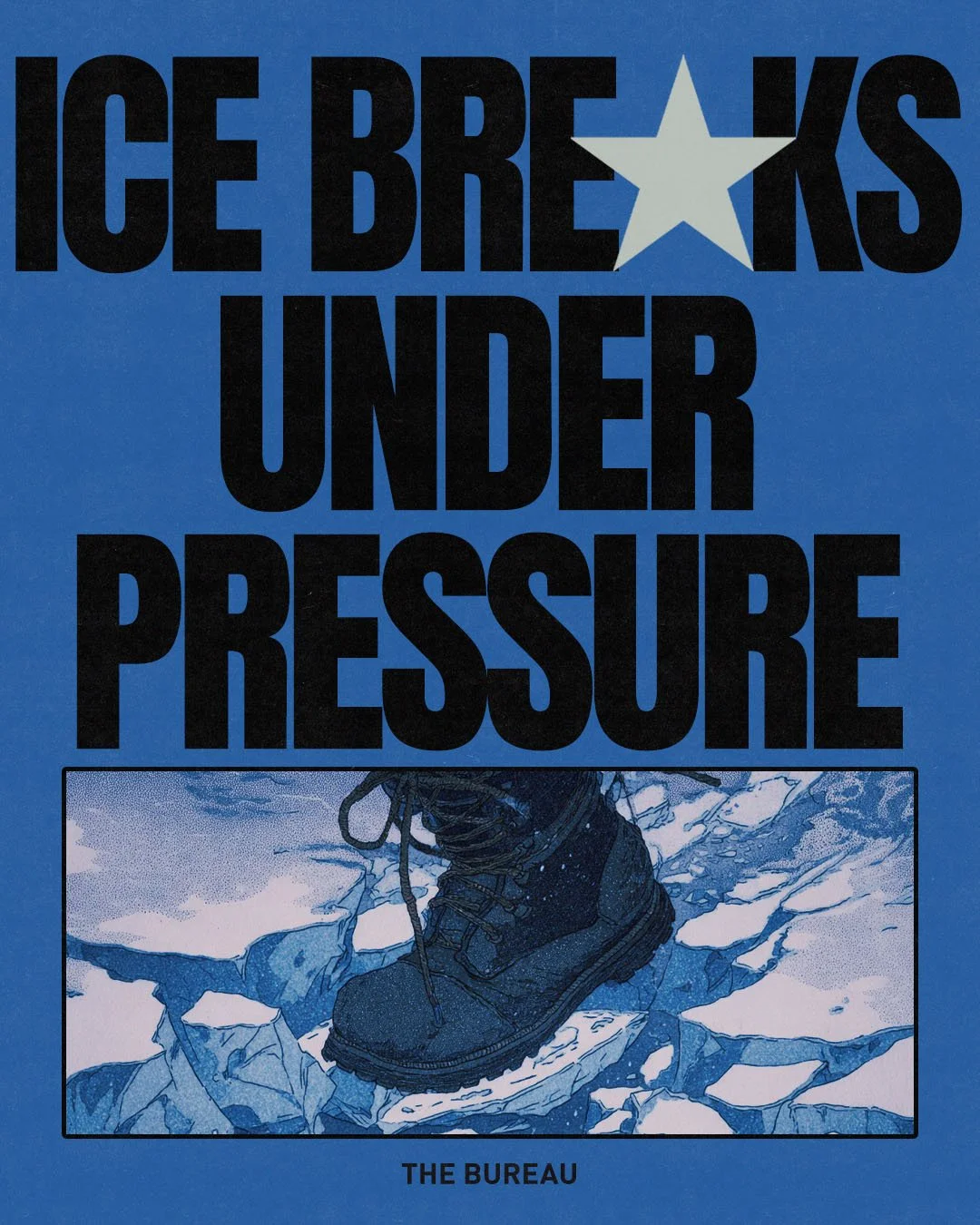
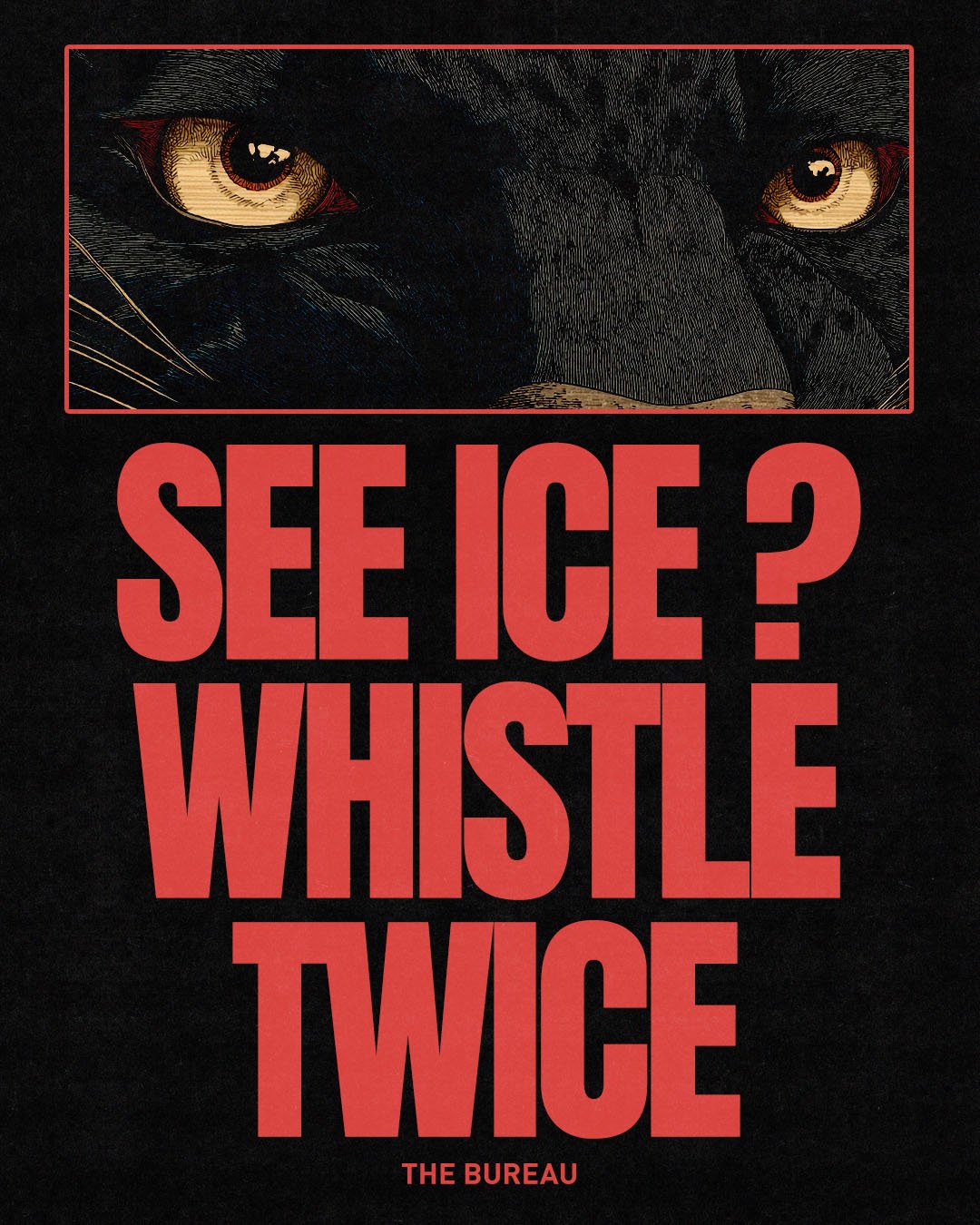
During the coldest, darkest days of winter, thousands of federal immigration agents landed in Minnesota as part of the Trump administration’s mass deportation campaign, “Operation Metro Surge,” sparking outrage among residents concerned about the number of masked law enforcement officers in the Twin Cities.
Over the coming months, federal agents in military gear chaotically arrested thousands of U.S. citizens and legal residents whom they suspect of being “criminal illegal aliens” and killed two American citizens in broad daylight, legal observers Renee Good and Alex Pretti.
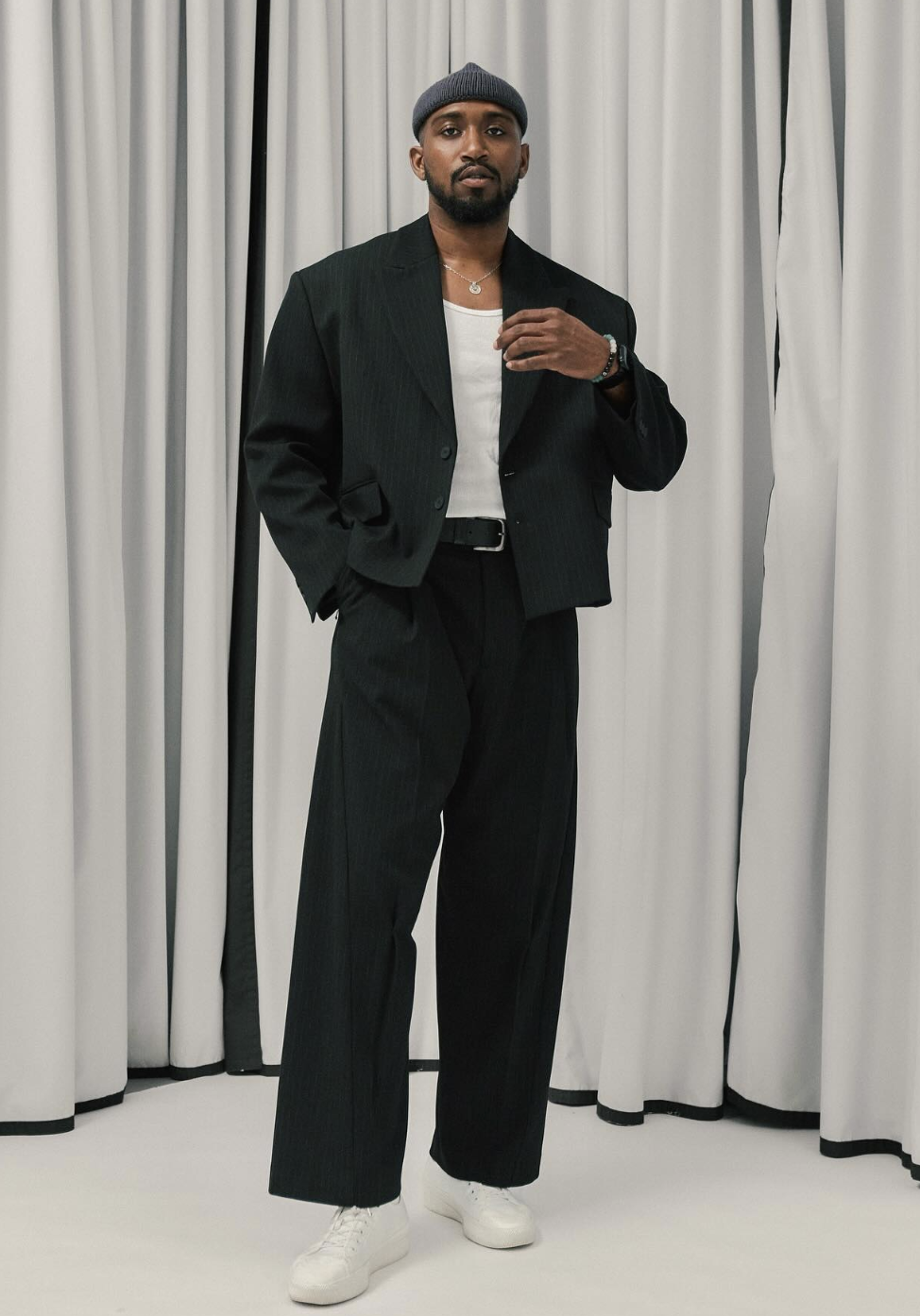
Photo by Aaron Rice
The creative community across the state (and beyond) sprang into action, using their skills to create artwork that memorialized the moment, often sharing their pieces for free across the Twin Cities and social media, donating their proceeds, and leveraging their audiences to mobilize the community.
Art has been a strategic form of protest since, well, the beginning of time, amplifying, memorializing, and educating in times of crisis. In the aesthetic-driven era of social media, activism is often spread first and farthest through digital creativity.
As we pick up the pieces of Operation Metro Surge, we turn to Bobby Rogers, one of the most prominent visual artists in the Midwest for nearly a decade. In addition to a client roster that includes Apple, the New York Times, and David Zwirner, he’s also the founder of The Bureau and the Head of Design & Editorial at the Minneapolis Institute of Art.
Bobby’s work centers on using visual storytelling to produce work that reflects the political, cultural, and social needs of those most marginalized in the contemporary landscape. As a creative and activist guiding multiple facets of the community, I sat down with Bobby to make sense of the moment.
Emma: We’re speaking in mid-February as ICE is supposedly winding down its operation in Minnesota. Whether that’s true or not, The Bureau continues to offer trainings in things like cybersecurity and first responder skills, in addition to your design work.
Bobby: Even with this “drawdown,” history has taught us that this isn’t a one-time thing. I had a mentor who used the umbrella analogy. He’d say, “I’d rather have the umbrella on a day that doesn’t rain and not need it, instead of being without it on a rainy day.”
We adopt that mindset and offer creative resources to prepare people for now and the future. Prepared people protect people.
The way The Bureau approaches visual culture, and culture in general, is the idea that to get people together, they have to be interested. And to do that, we’re competing with not only other creative outlets, but every other force in the attention economy. So, we try to make things fun and meet people where they are.
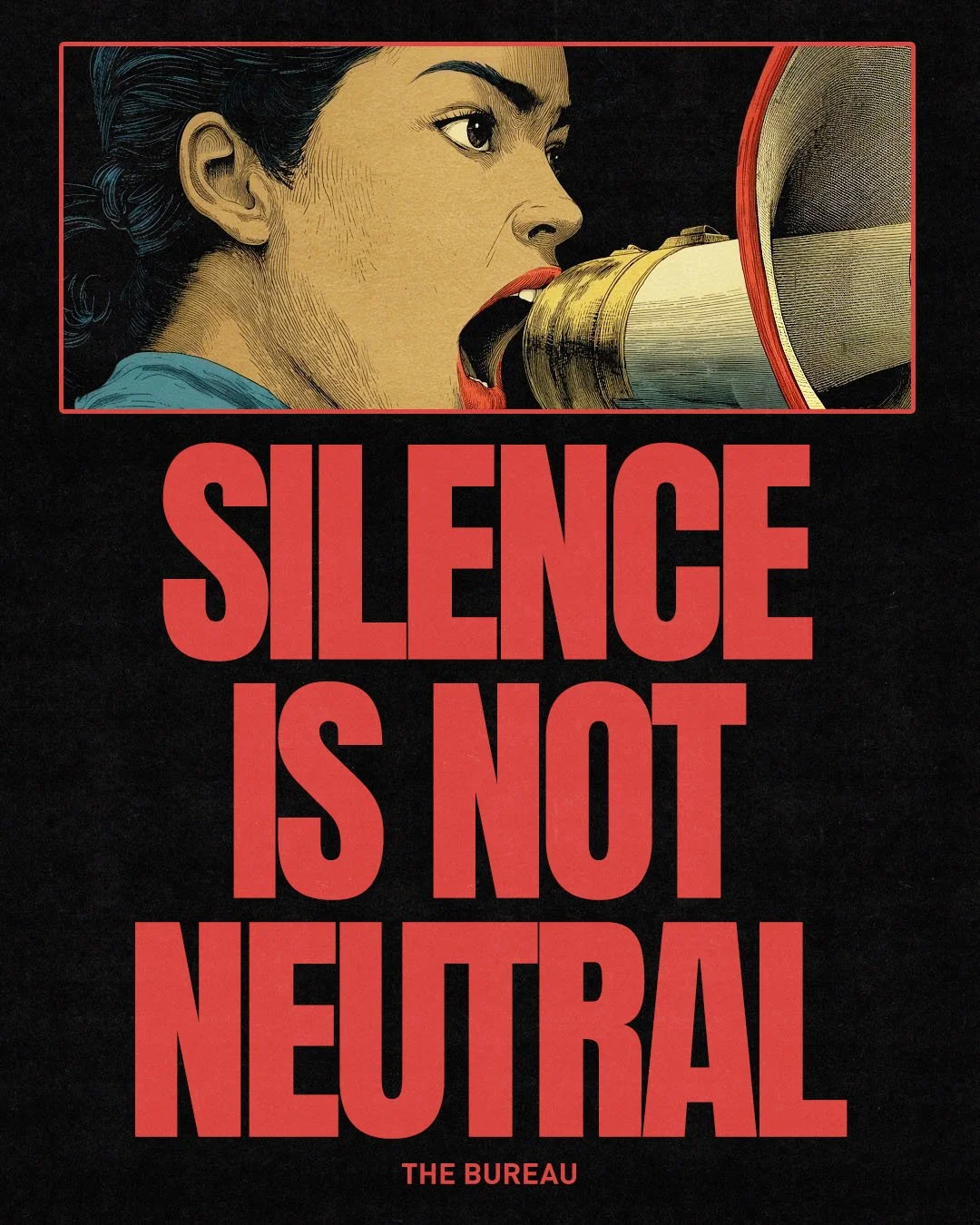
Exactly—If it looks cool, your curiosity outweighs your hesitation, and you want to align with it.
Absolutely. We use what we’ve learned through color theory and design principles to engage with the community and lower social anxiety, which we all have after coming out of the last few years.
Speaking of bringing people together, we’ve seen neighbors unite to organize a range of nontraditional aid. Sometimes it feels like if you can’t protest or donate, you can’t do anything. But the last few months have shown us how a co-op model truly comes to life.
In these moments, we all have a visceral bodily reaction. That’s part of the barrage of being constantly informed and online—if your response isn’t turned into something public, it can feel invalid.
My mentor would talk about a relay race, and we all have a different position: some are cheering, others are at obstacles, others are at barriers, helping pull people over them. He saw himself as the person at the barrier.
I see myself as a connector, bringing people together to share the responsibility. I used to handle everything: design, venue setup, you name it. We live in such an individual, siloed culture that we forget people want to help. We’re told we have to succeed alone, but when you reach out, people show up. I tell my team: we all want to be involved, but we can’t burn ourselves out. Recently, a friend from outside Minneapolis offered to design anything we need. Someone who produces community activations found space for our trainings. Print organizations offered hundreds of pieces of free material. This moment reminded me how generous and gracious the community is.
Yes, it’s been beautiful. It’s easy to doomscroll and feel powerless, which is by design. But when you put an idea out there, people meet you where you are.
Absolutely. There’s a higher connective consciousness we lean into, which is the opposite of the mass media message to not trust each other. Our natural inclination to come together gets activated. It’s connected me with hyper-local and vast communities—from workplaces to blocks to neighborhoods to wards.
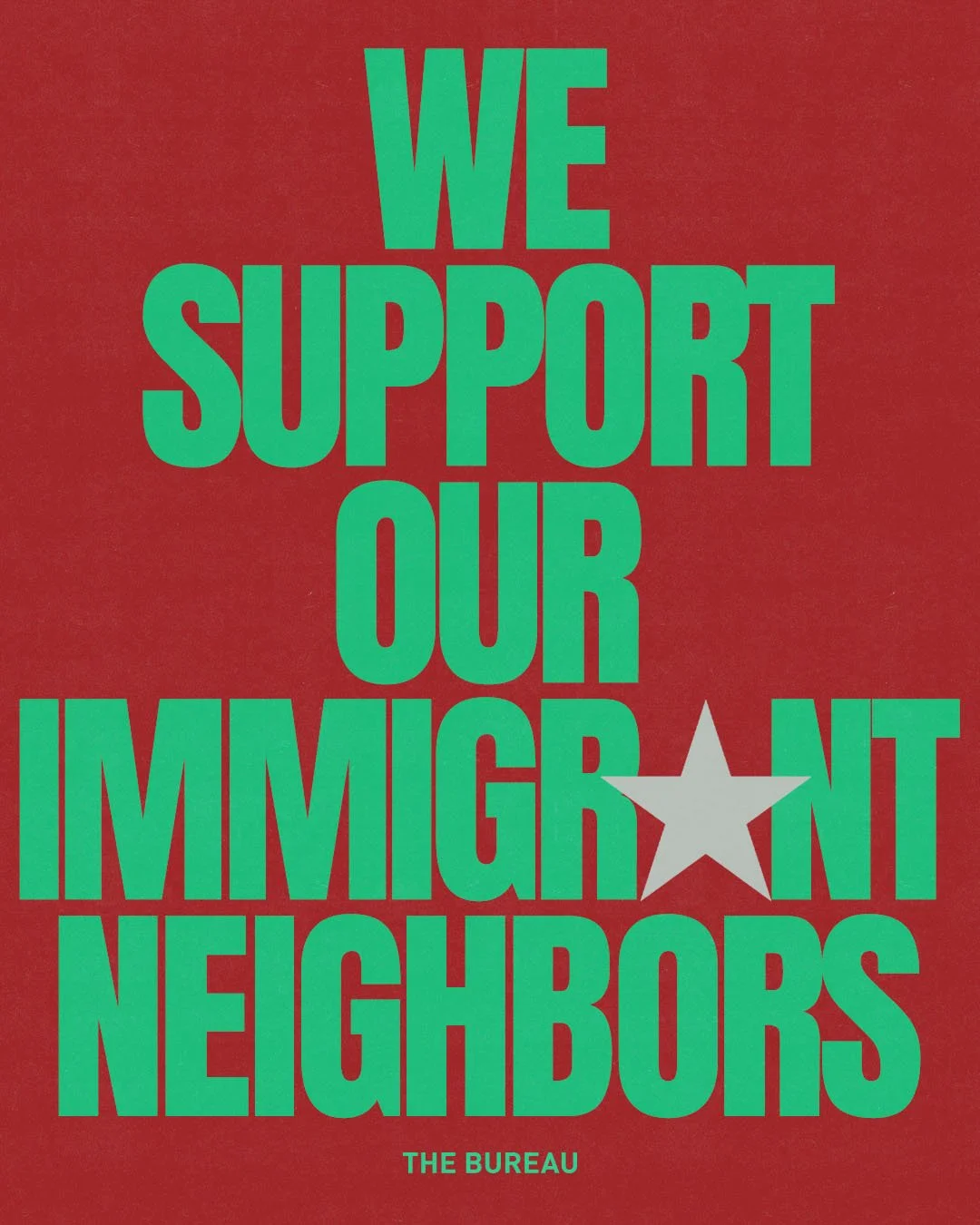
Shifting gears, I’m curious about your thoughts on how the creative process shifts for you during times of crisis. When so much is happening, it’s easy to feel paralyzed and unable to access that side of yourself.
I was in a meeting with creatives recently, and the feeling of paralysis is pervasive. Many feel they can’t work because they’re consumed by what’s happening—online, in person, through mutual aid. But we understand these are predictable cycles, and we need to be ready to counter and quell them. I don’t feel surprised, I feel activated.
That’s what the foundation of our organization was designed to do—The Bureau was created in 2020 as a love letter to our community, a steady presence to look toward. We’ve always been flexible, and in these moments, we lean into our creative expertise more than ever. Years of critique, adjustment, and building knowledge become critical because we can make split-second decisions that shape our work. I think creativity steps in to provide direction when our selected leaders don’t.
Exactly, and I find that creative practices are often dismissed because they can’t be directly tied to making money, but I think in life’s most vulnerable moments, people look to art. I always return to poetry and how it can speak to my core in ways larger systems can’t.
Growing up, I thought I’d be a poet before a visual artist. The arrangement of words can reach your emotional core quickly. That’s what we aim to do with visual language.
There was a Howard Zinn quote we shared with one of our designs recently: “There is no flag large enough to cover the killing of innocent people.” The poetic way of saying it reaches that emotional core. That’s what we strive for in our work.
A Living Archive
Hundreds of artists across the nation created work in support of Minnesota during Operation Metro Surge, raising hundreds of thousands of dollars and reaching millions. This is a small slice of the work generated during this time, serving as a living, evolving archive of the ICE Out movement across our state and the world.
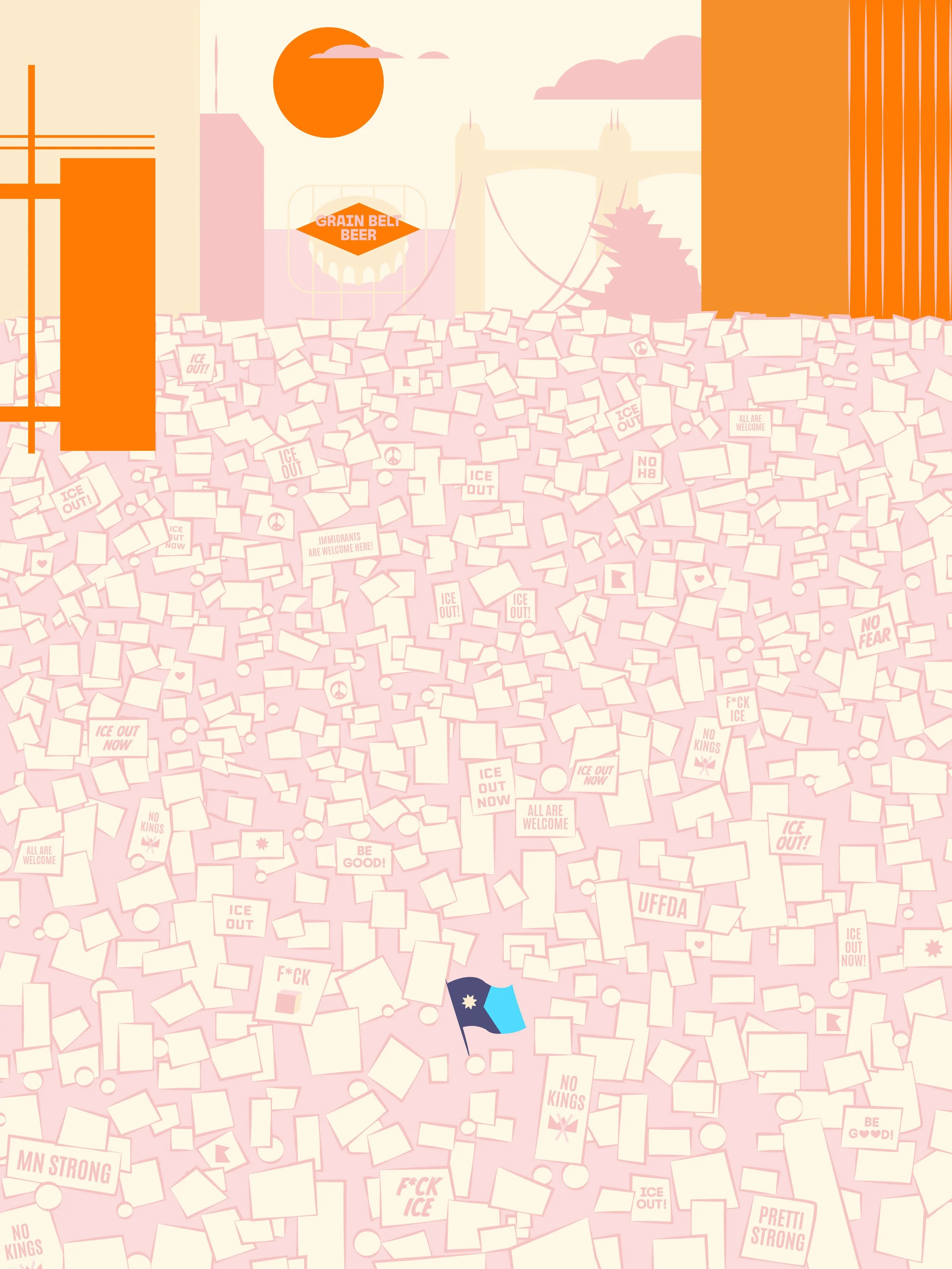
10,000 Voices by Brandon Lord was inspired by seeing so many people standing in unity for peace and hope. The print is sold through Art You Heart, which donates their proceeds to MN-based aid organizations.
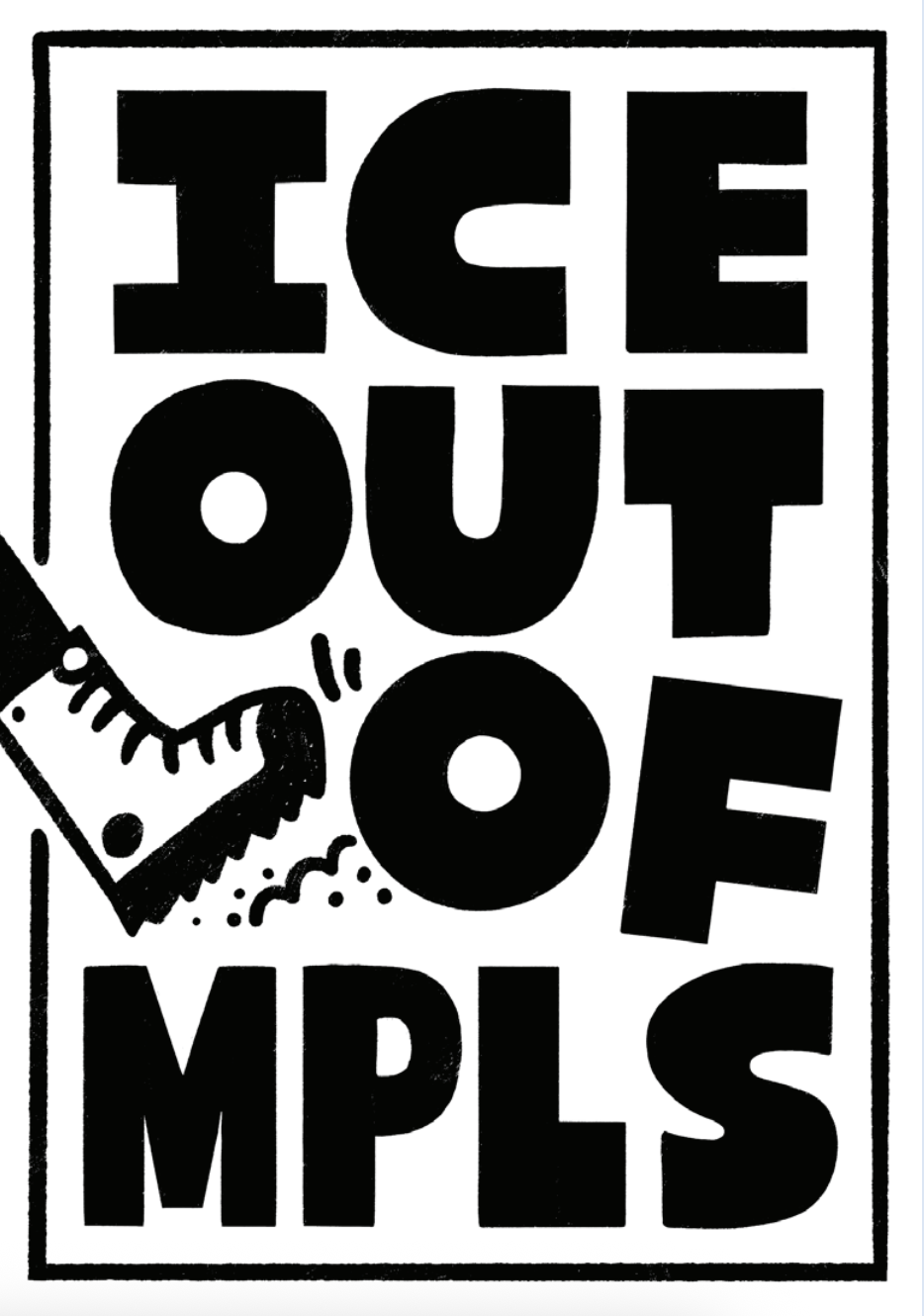
Over 3,000 ICE OUT OF MPLS letterpress posters were printed by Bench Pressed, and shared for free with a suggested donation of $20 to mutual aid.
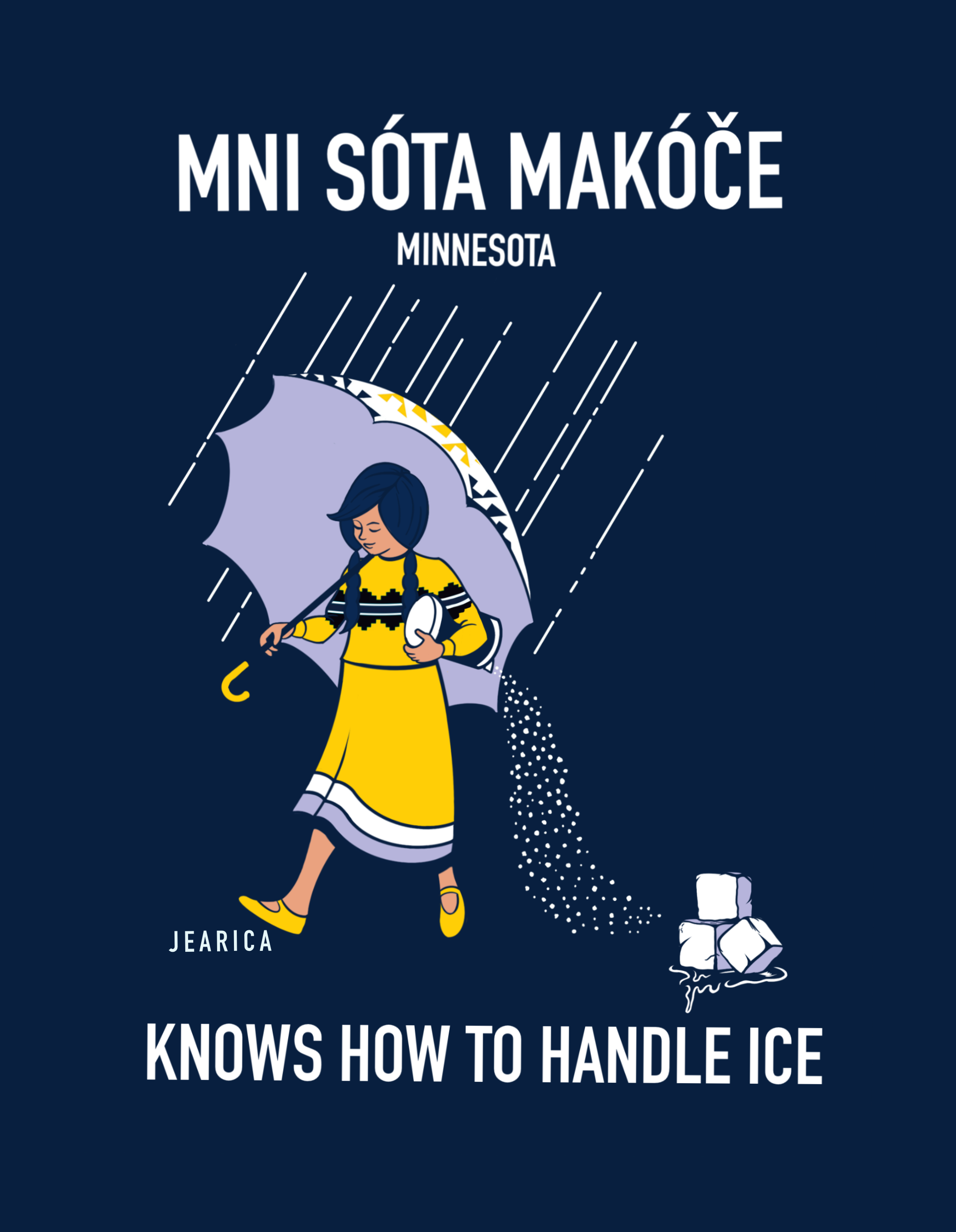
Mni Sota Knows How To Handle ICE by Jearica Fountain features a girl wearing a Native American ribbon skirt, which, in Indigenous communities, and is worn during times of resistance. The print is sold through Art You Heart with 200 more copies shared with the community.
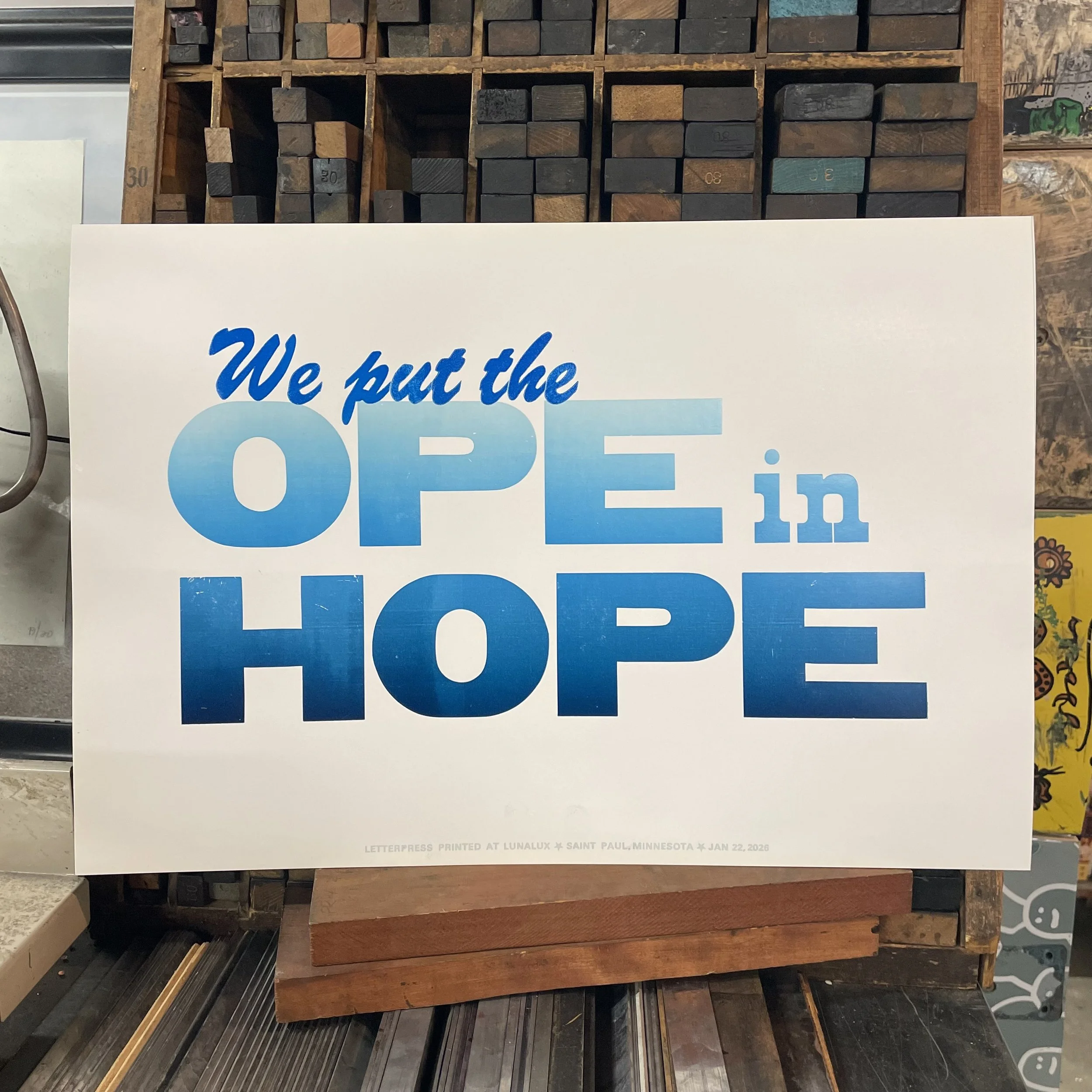
We Put the OPE in Hope is designed by Jeni Kozicky and printed by Luna Lux Letterpress, a St. Paul-based studio that has shared the love of letterpress with the community since 1993.
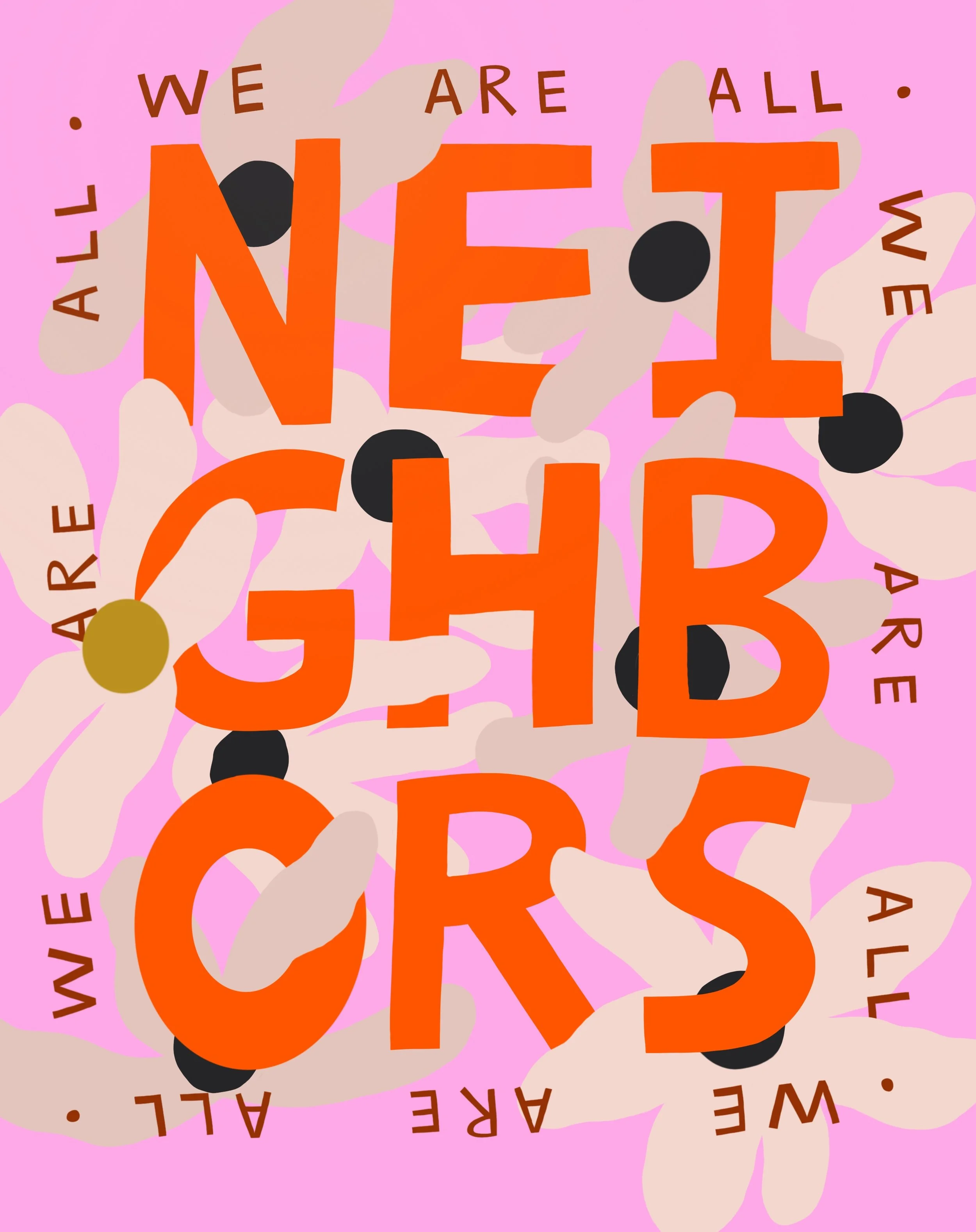
Neighbors by Bekah Worley sold over 200+prints and raised over $5,500 for rent relief for folks impacted by ICE.
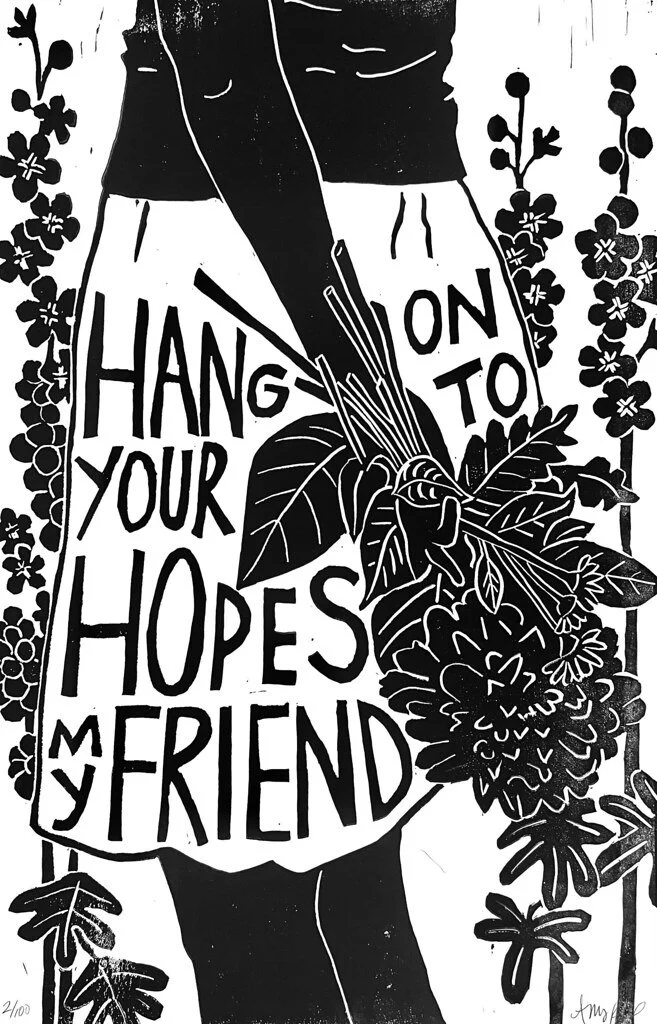
Hang On To Your Hopes, My Friend by Amy Rice is a Hand-Pulled Linoleum Print created in response to previous community crises, yet fitting for this moment.
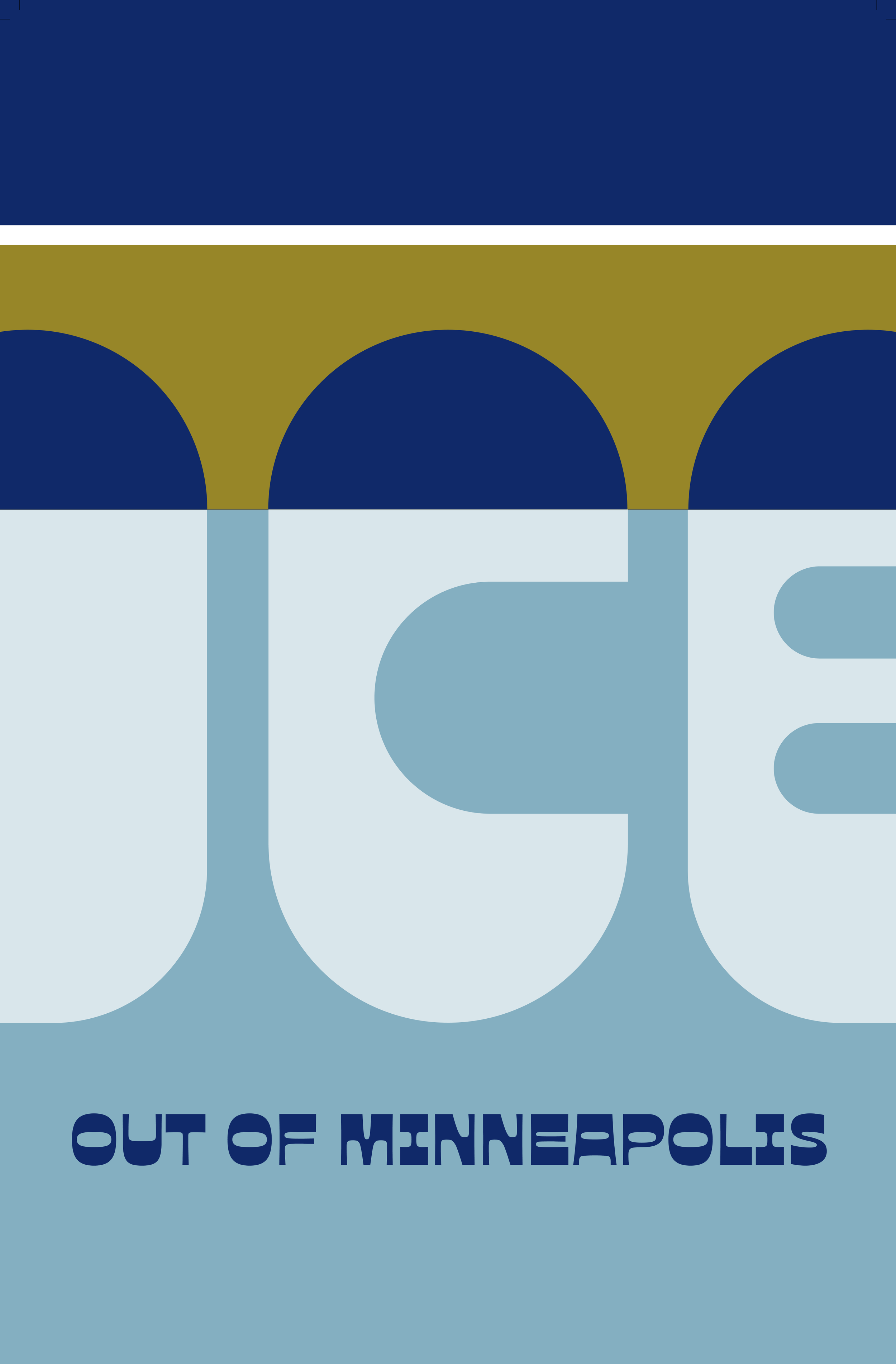
ICE OUT of Minneapolis (Stone Arch) by Little Dipper Art is part of a collection of protest posters Liz created to raise $4,800 for the Immigrant Law Center of MN and Immigrant Defense Network. More than 12,000 posters were shared for free with 61 business locations around the Twin Cities.
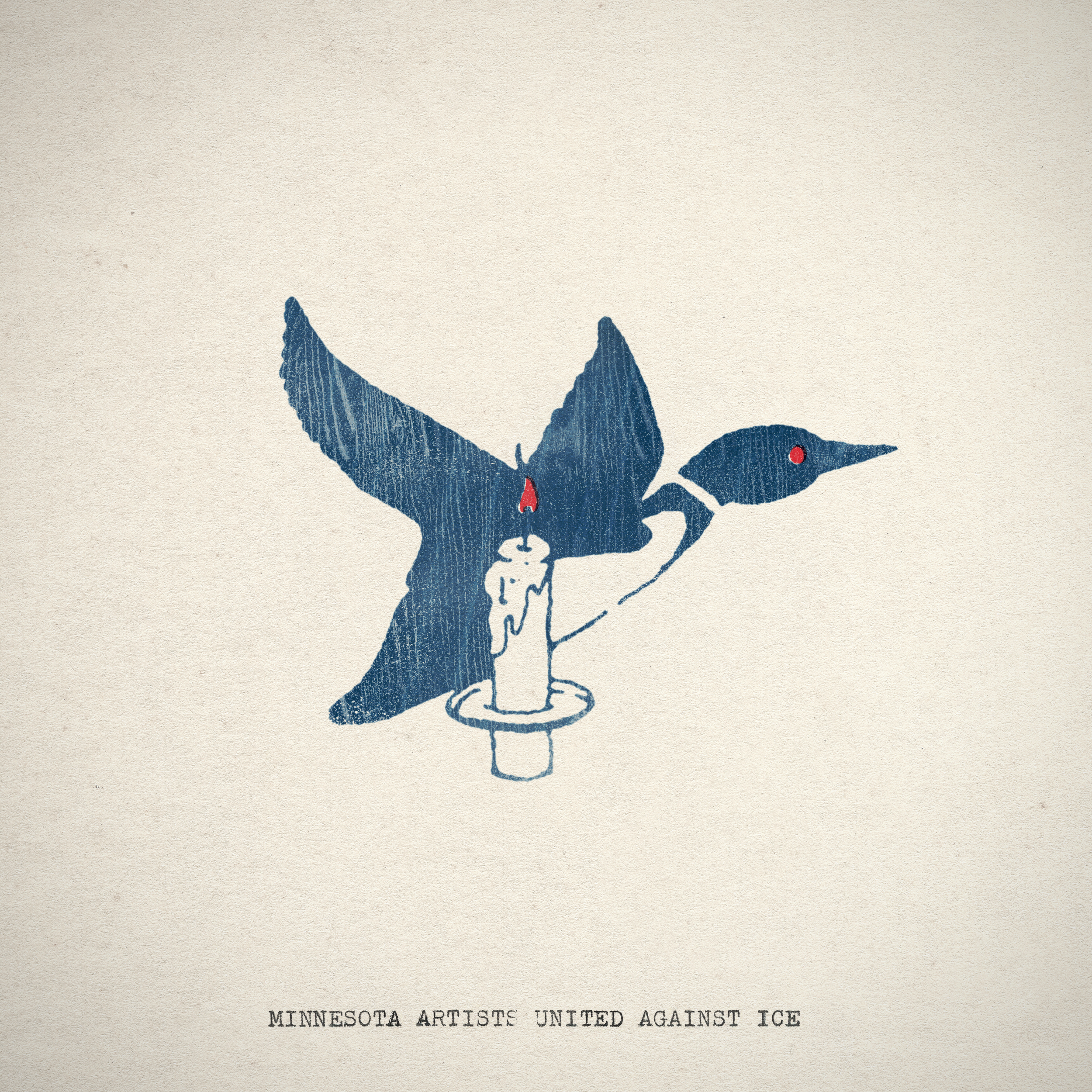
Melt ICE is a mutual aid compilation album featuring 100+ MN musicians organized by Anna DeVine, Ryan Kemp, Jonny Fuller. They’ve raised over $13,500 to donate to MNTogether.