The Art of Play
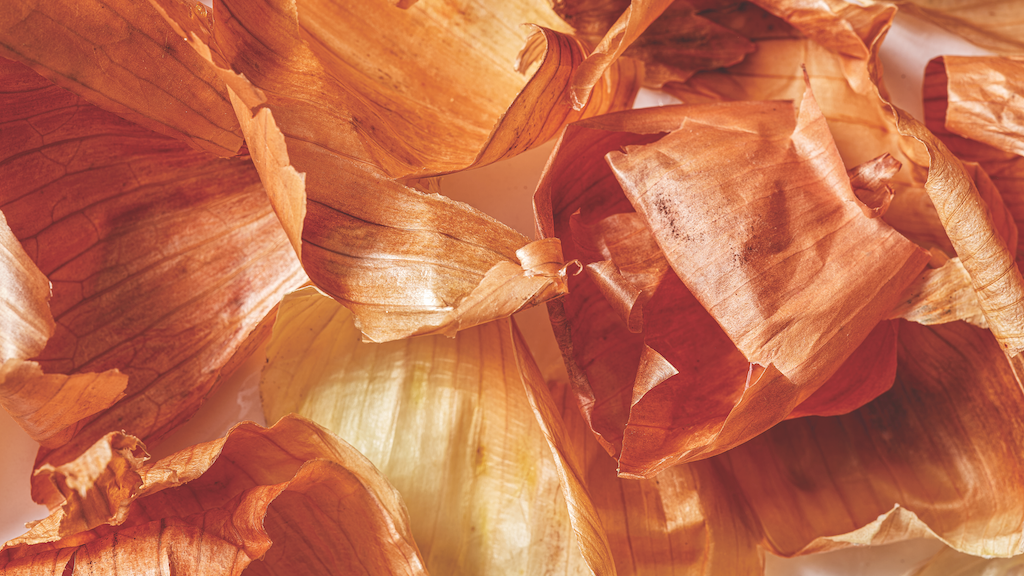
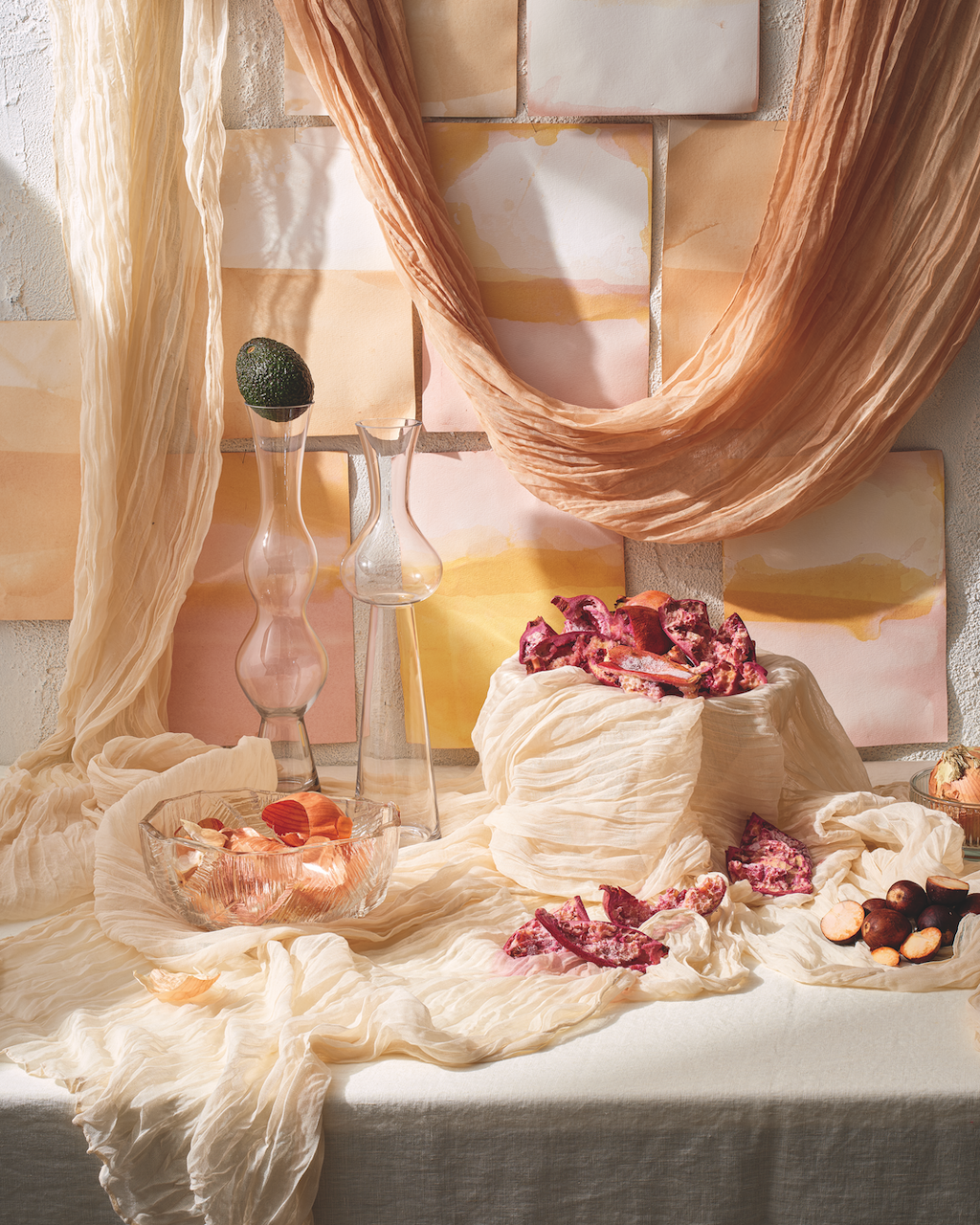
The onion skins and avocado pits pictured were provided by Chowgirls Catering, and the beautiful vessels are from Haus Theory.
Written and Art Directed by Rachel Hardacre
Styled by Toby Rae
Photographed by Josh Grubbs
The commercial photo industry here in Minneapolis is a unique and beautiful one. I am honored to be a part of it, working with producers, photographers, retouchers, digitechs, stylists and food stylists who pour their incredible talent into their work. A commercial photo studio is a buzz with energy, an excitement of being together and a drive to capture the vision of the brief.
This is problem-solving, but is it always creative? At times, our day-to-day life in the studio can become a checklist of answering a brief instead of a playground. This is no one’s fault–the ask is the ask, and sometimes we just need to play.
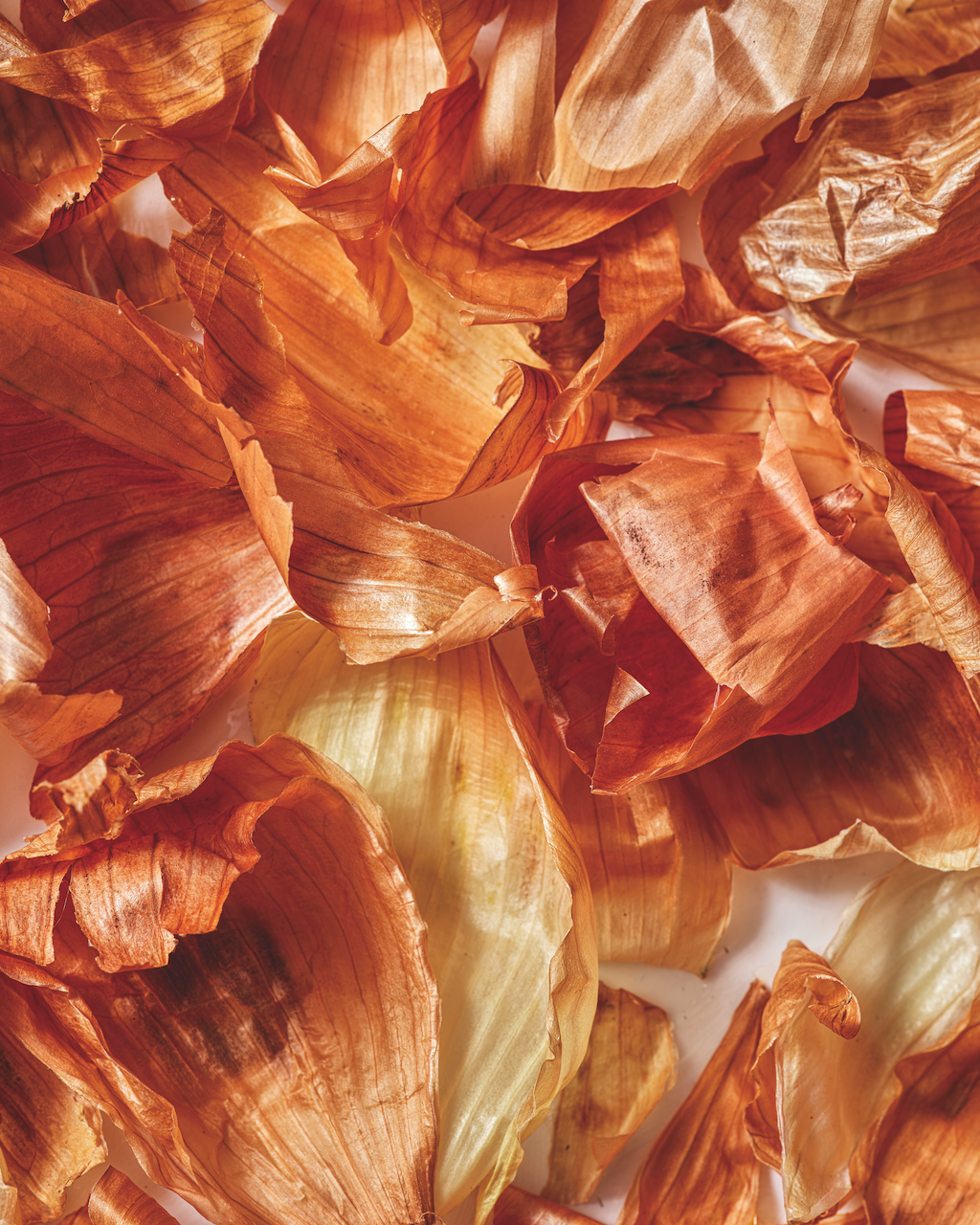
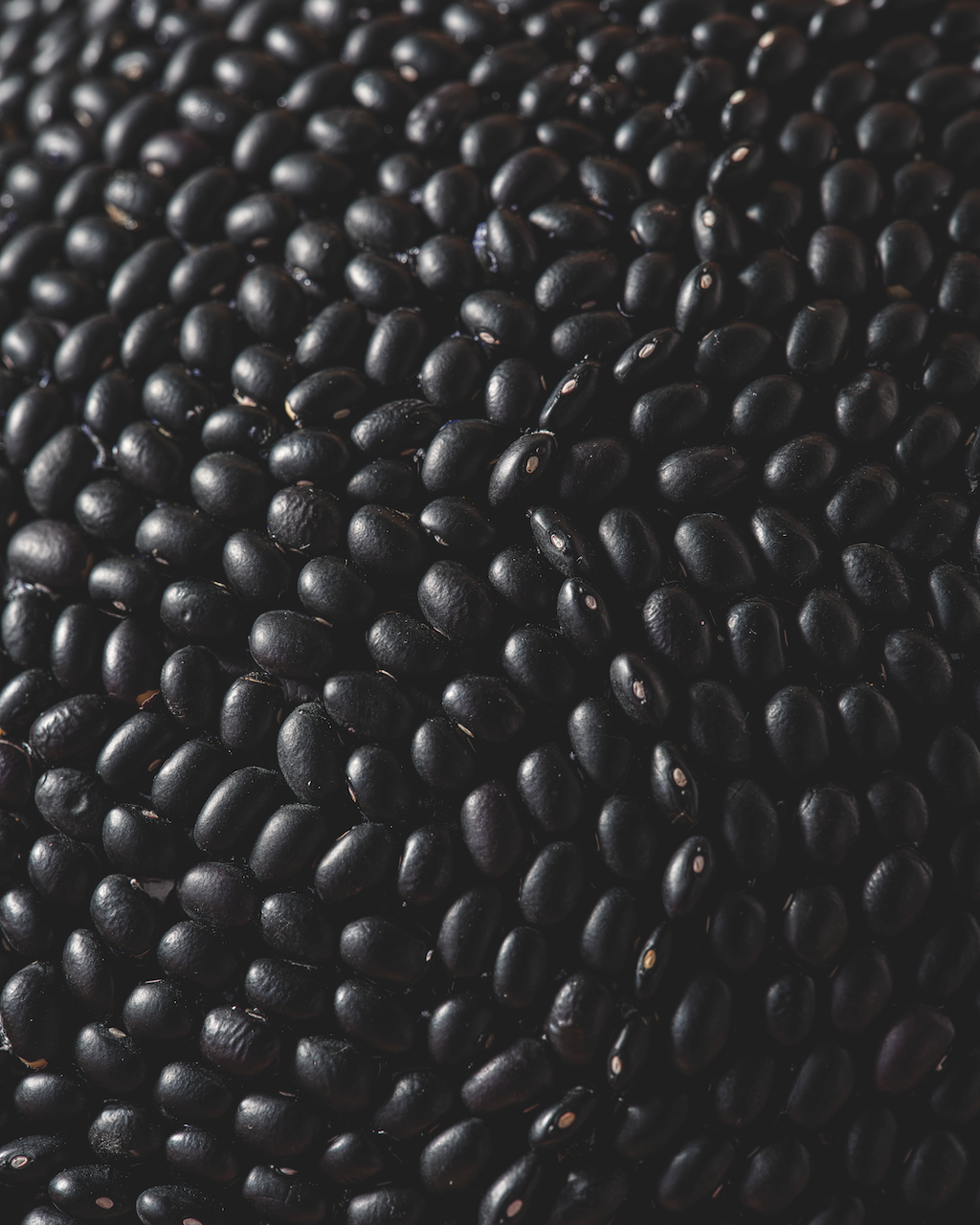
Play can start with a medium unrelated to career. For myself, it was natural dye. Using food scraps–onion skins, avocado pits, and black beans–I was able to coax color from what at first appeared to be nothing more than compost. Every pot of dye was wildly unpredictable. The shades and hues of pink and peach delighted every time, yielding results I could have never forced.
If you watch children at play, the storyline they create builds, and where they end up isn’t known to them–it goes where the play goes. It’s built on the idea of being unpredictable.
The one avenue we have for play within the commercial photo industry is a photo test. A photo test is time set aside in a studio where the goal is to expand the work we show in our portfolios. I propose we see this as a space for play. It is our dugout, our clubhouse. Let’s gather together and make something cool–let’s play.
Here are a couple of starting points to invite the mindset of play to a test shoot.
1. Free the Perfectionist
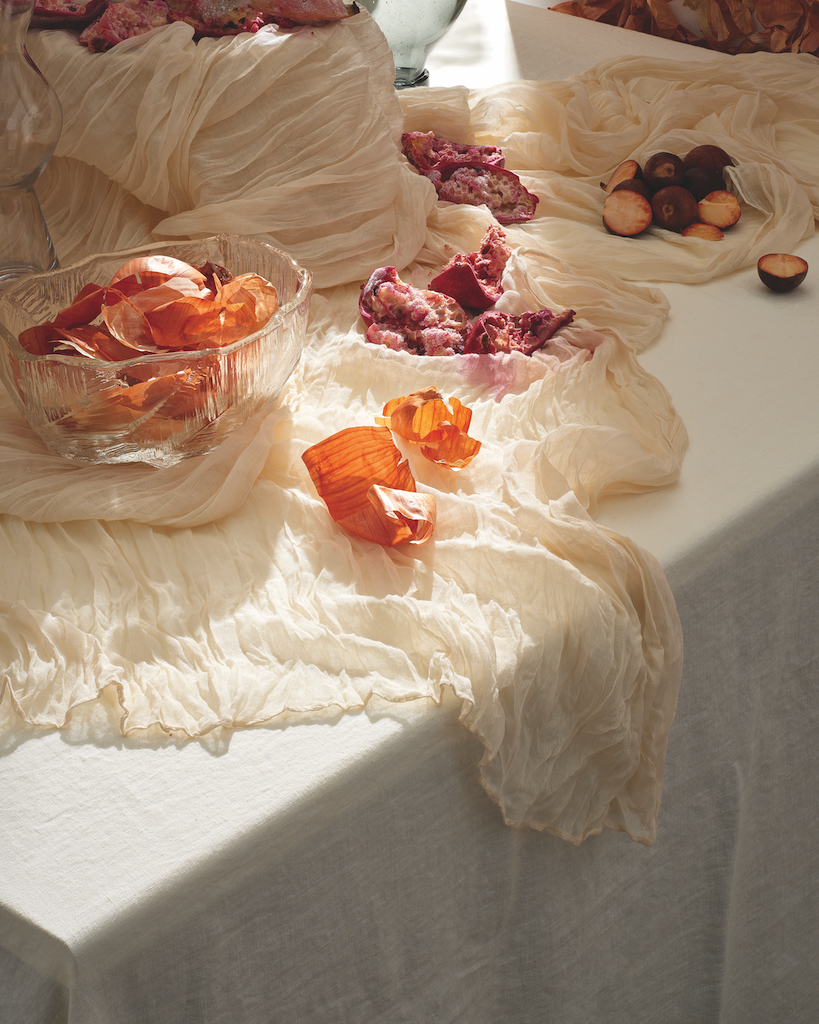
Start with a white wall or sweep–a blank slate for play. During the photoshoot for this article, we arrived to set with a range of naturally dyed and dye-inspired set items. Toby Rae, our stylist, began to drape, layer, and arrange against a white wall until a rich and textural scene resulted. We were able to break the expectation of perfection and play with the elements freely–we painted on a blank canvas.
Another approach–introduced to me by Minneapolis creative Scotty Gunderson–is to set a timer for 15 minutes and in that time style and shoot. Once the timer is up, remove everything from the set and start again. This is freeing because it removes the pressure to get it right–once the time is up, you move on to the next scene.
2. Add a Variable
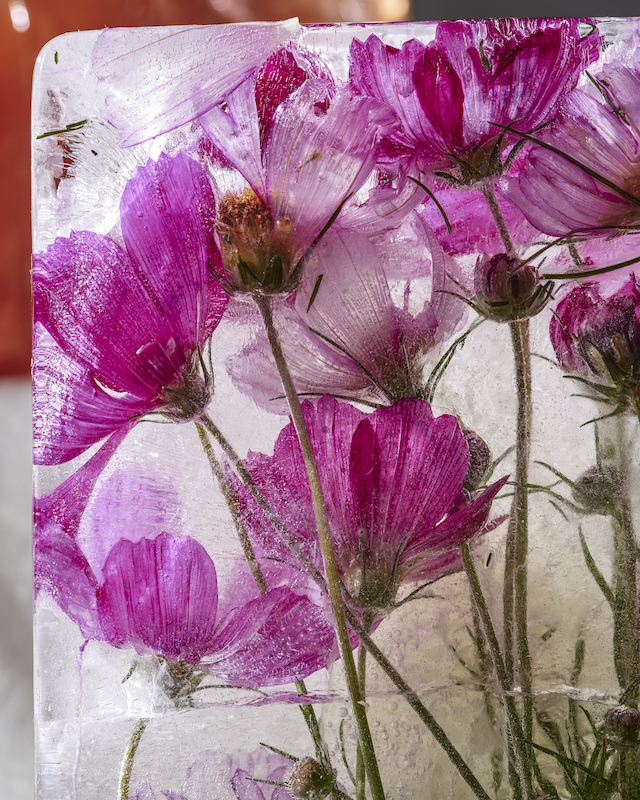
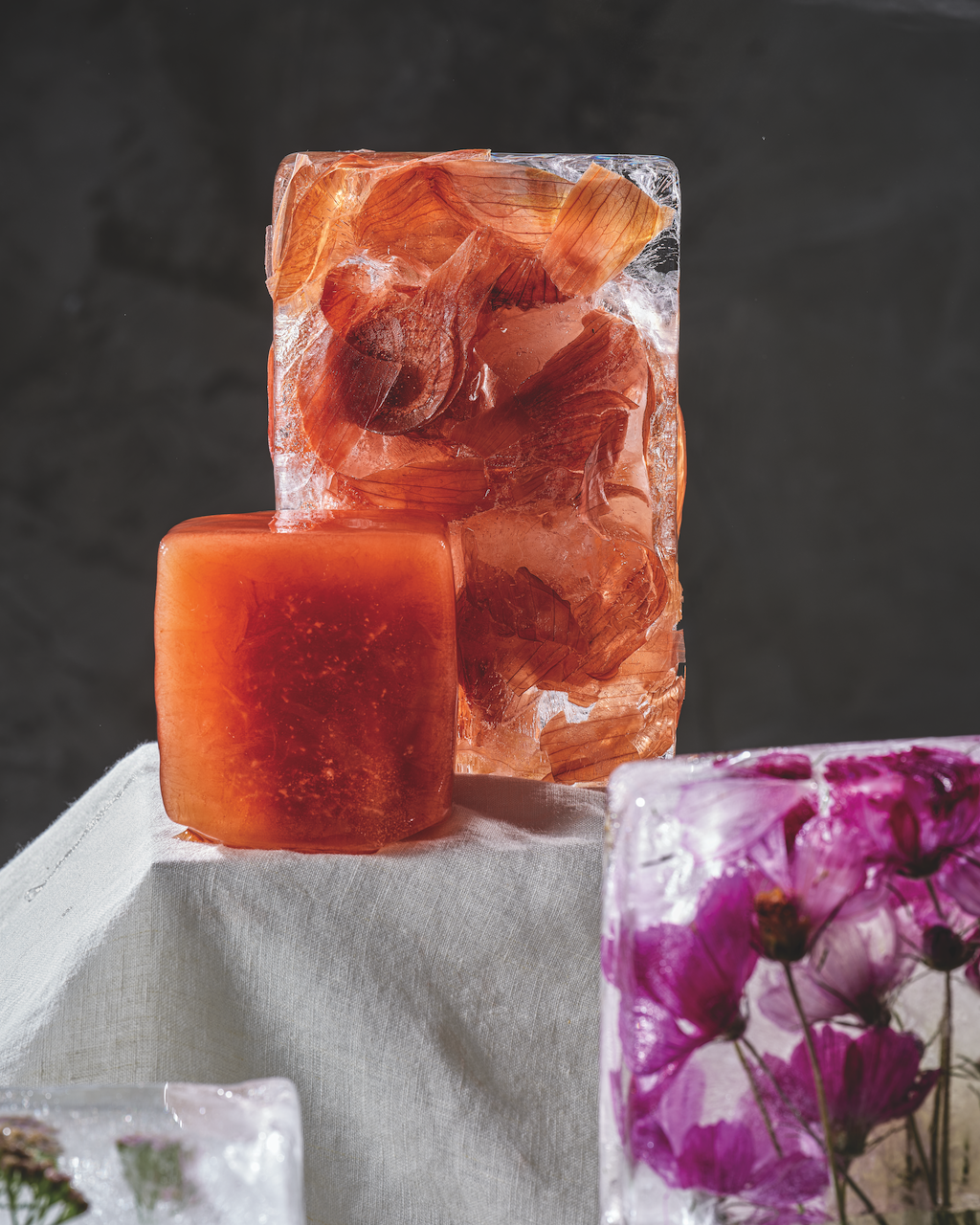
Add play by introducing a variable. Start with knowing you want to capture specific scenes, but what is included in scenes is not predictable. For example, we included blocks of frozen natural dye and dye materials suspended in ice. Ice changes over time–it frosts, it cracks, it melts. Toby used a steamer to melt and morph the ice on set, while Josh captured the textures of frost, light cutting through ice, and frozen suspended objects. It changed as we shot, leading to play as it evolved.
3. Take a Risk
An essential part of play is risk-taking–what will happen if I leap from this ledge to this ledge? You don’t know until you take a risk and leap. A test shoot focused on play is a safe place to try something out and have it fail or succeed. Knowing that there is risk involved and it may not work out is an important part of the play process. It leads to ‘the thrill.’
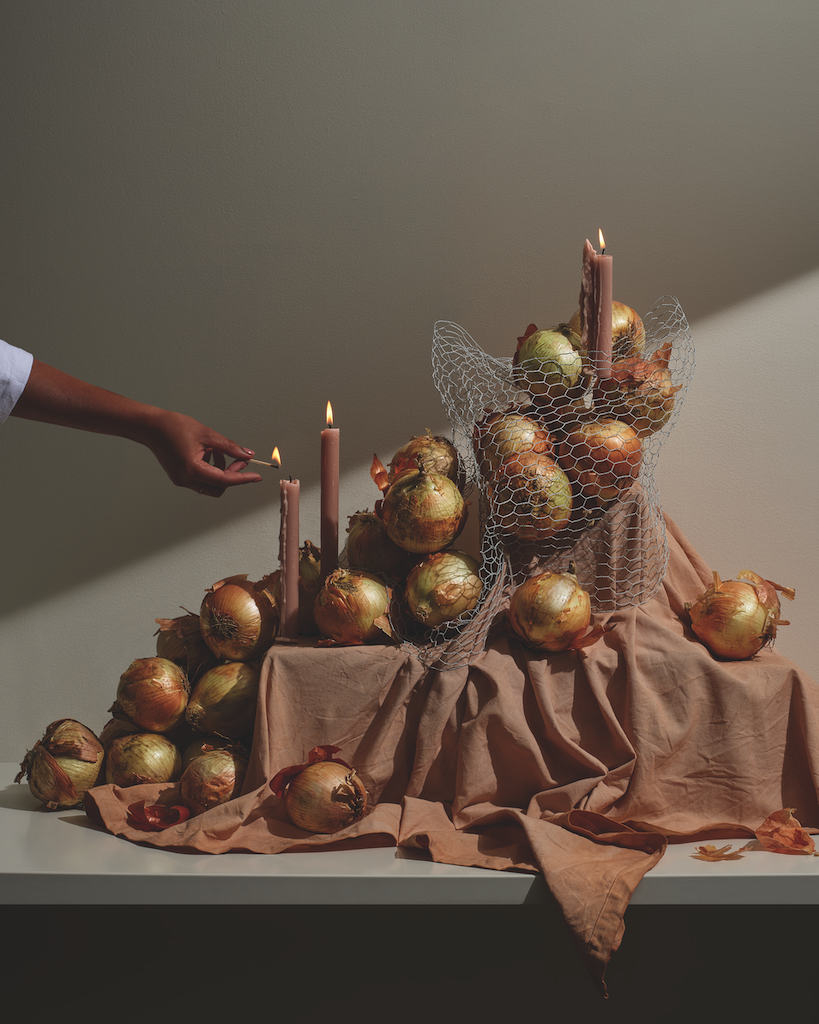
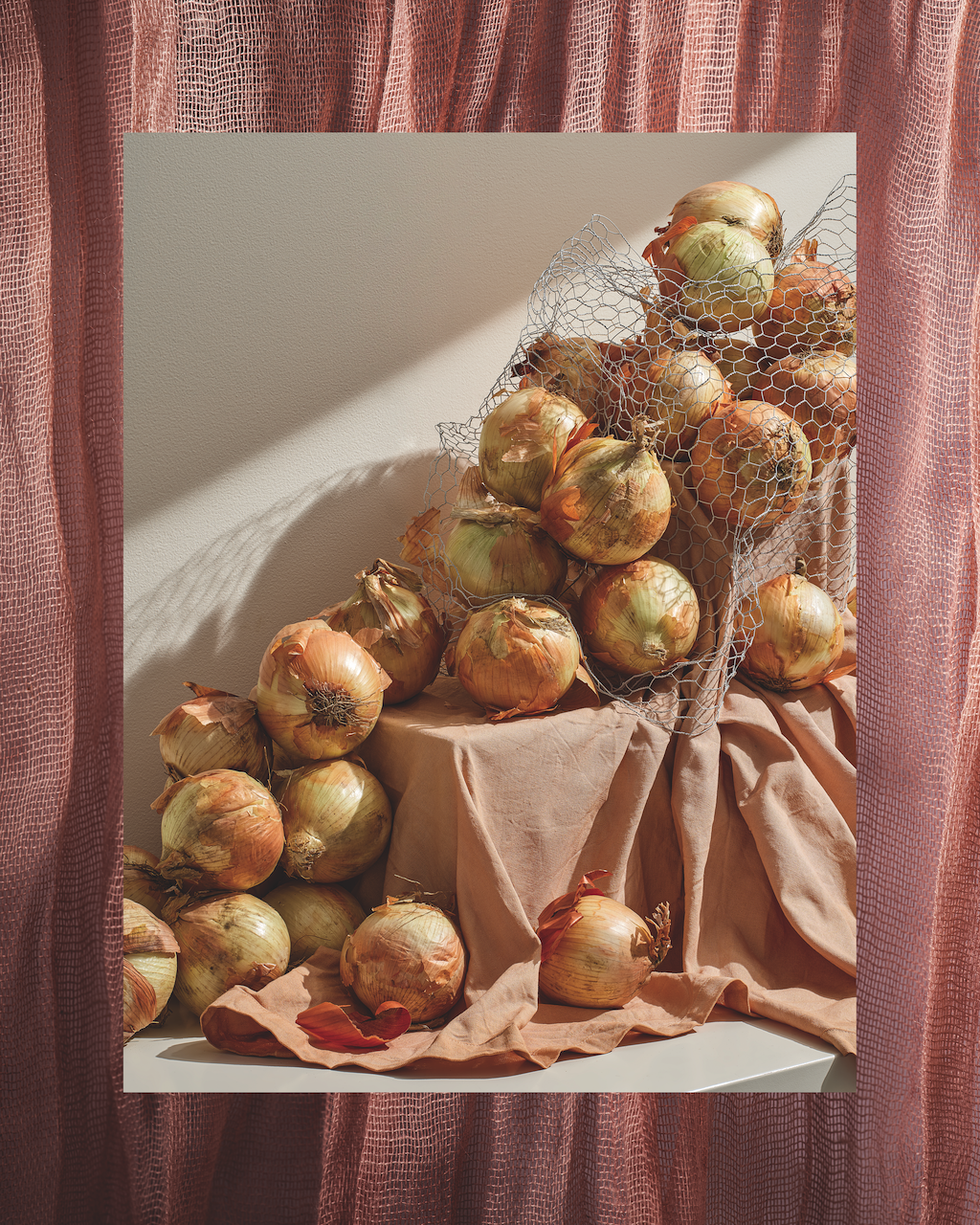
For this article, we wanted to create an onion sculpture, and its construction was a big risk. We walked in with chicken wire and a 50-pound bag of onions, and we weren’t quite sure how it was going to come together. This sculpture required risk in order to succeed.
As we worked on the onion sculpture, I had a heightened sense of “will it happen?” The almost palpable feeling in my chest as anticipation rises. We were playing with a dramatic angle, bold lighting, adjusting the cascade of the onions and fabric. I asked to move the camera and shoot the sculpture straight on–suddenly the weight lifted and I felt the thrill. It’s that moment when our minds recognize what it sees is complete, good, and beautiful. Creative play involving risk builds anticipation, and is such a thrill when it resolves in a win.
These three ways of playing have strengthened me as a creative. The boundaries break when we play in our medium, and that only strengthens the work we do day to day.
Credits:
This shoot was a collaboration by Art Director Rachel Hardacre, Photographer Josh Grubbs, and Stylist Toby Rae.
Josh Grubbs is a commercial photographer with an incredible eye for light and framing–I love seeing how he builds and layers light to create the final look. It is so magical. Check out Josh’s work at joshgrubbsphoto.com or @joshgrubbs.
Toby Rae is a Minneapolis-based stylist, and her skill and taste are exceptional. I love watching her work, from prop pulling to the final scene. Toby considers every detail, and creates something truly good and beautiful. Check out Toby’s work at www.tobyrae.com.
Many of the onion skins and avocado pits and skins pictured were provided by Chow Girls Catering. See the delicious catering Chow Girls offers at www.chowgirls.net
Many of the beautiful vessels pictured are from Haus Theory. Amanda Evans has curated a beautiful store in White Bear Lake–I highly recommend you visit Haus Theory. Check them out at www.haustheory.com
Rachel Hardacre
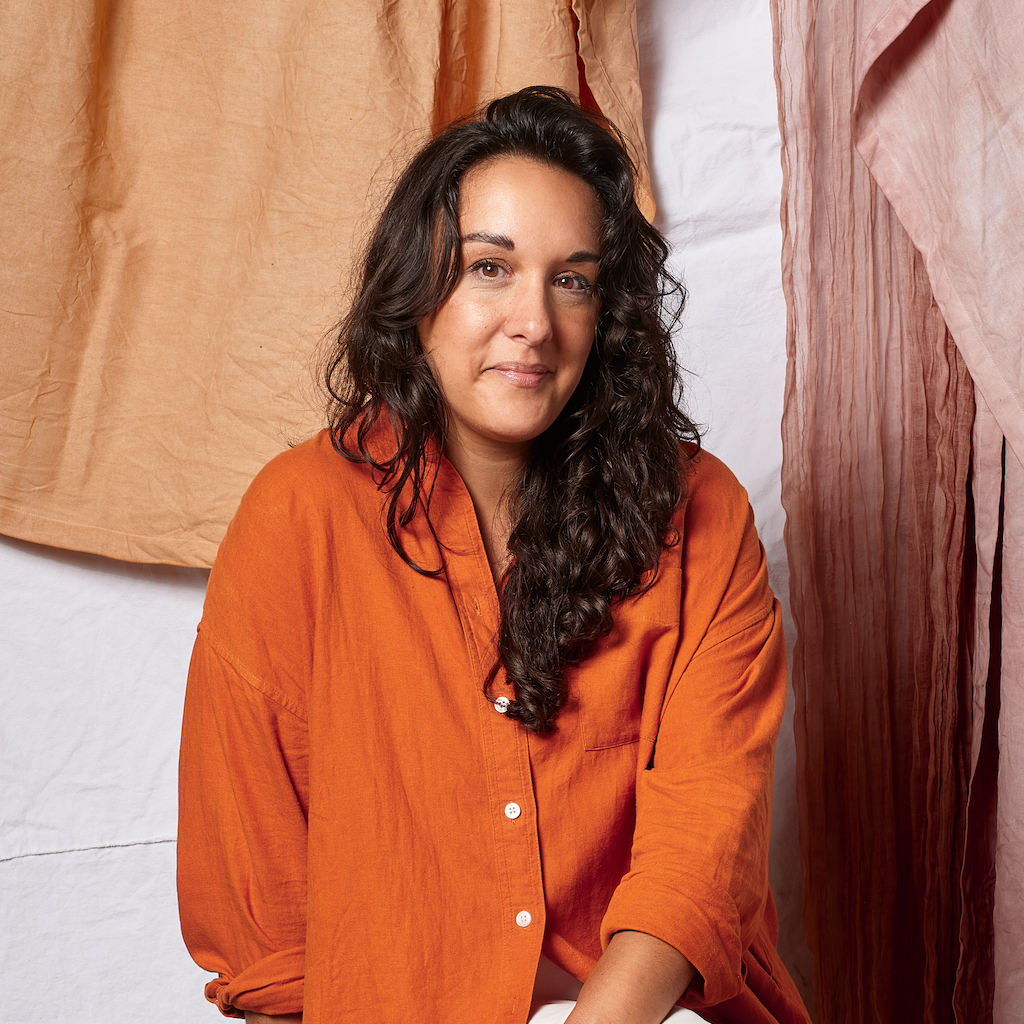
Rachel Hardacre is an Art Director living in White Bear Lake, MN, growing a garden to gather in. She shares weekly newsletters on entertaining ideas, seasonal recipes, garden planning, and natural dye tutorials through her Substack platform, On the Acre. Most days you can find her in the garden with her two children, Arlo and Wren.
https://ontheacre.substack.com/
Instagram @ontheacre
www.rachelmhardacre.com